
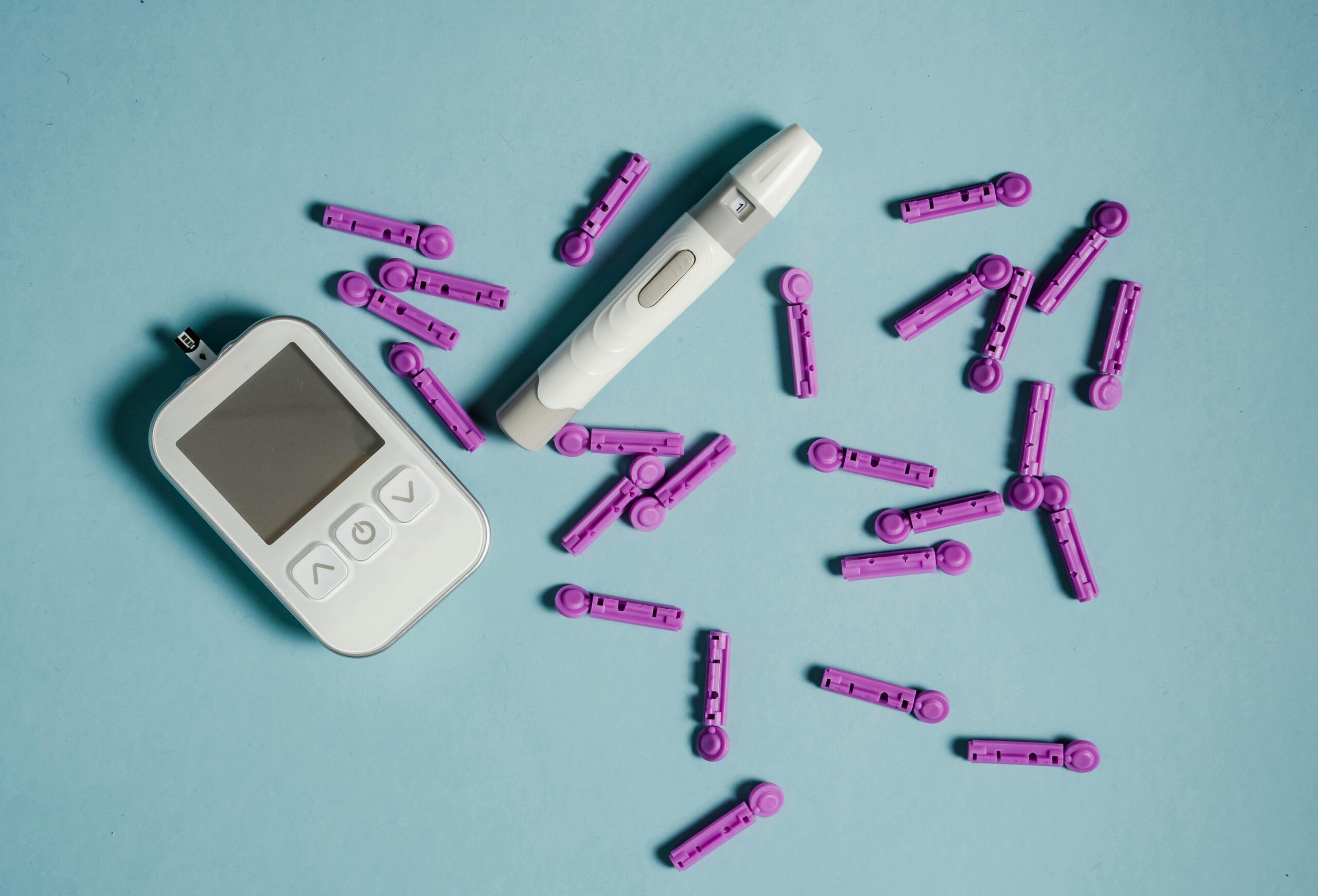
Medical devices navigate a regulatory landscape that can be complex and unforgiving. Whether it’s a simple Class I instrument or a sophisticated, implantable Class III system, every piece of documentation needs to be precise, traceable, and formatted to meet global requirements. Small inconsistencies—a misworded instruction, a mismatched data point, or an ambiguous figure—can result in regulatory delays, audit findings, or barriers to market access.
Professional medical writers play a critical role in helping device manufacturers navigate these challenges. They transform complex technical, clinical, and regulatory information into clear, compliant documentation that regulators, clinicians, and end users can trust. In today’s fast-paced medical device industry, high-quality medical writing isn’t optional—it’s a strategic advantage.
Why Medical Device Documentation Requires Specialized Expertise
Unlike pharmaceuticals, medical devices are grounded in engineering principles, risk management, usability testing, and design controls. Their documentation must accurately capture:
- Mechanical, electrical, and software functions
- Risk analyses and mitigation strategies
- Clinical or performance data
- Post-market surveillance plans
- Labeling and user guidance for safe operation
Each component needs to comply with global standards, including FDA 21 CFR Part 820, EU MDR 2017/745, ISO 14971, ISO 13485, and relevant IEC standards. The combination of technical, clinical, and regulatory requirements makes medical writing for devices both specialized and indispensable. Skilled medical writers make sure that documents are precise, consistent, and audit-ready.
Instructions for Use: Making Safe Use Possible
Instructions for Use (IFUs) are often the only document an end user interacts with directly. They’re a lifeline for safe device operation and need to communicate safety-critical information without being overwhelming or confusing.
Professional medical writers enhance IFUs by:
- Using clear, unambiguous language tailored to the audience
- Structuring content logically—purpose, components, preparation, operation, cleaning, troubleshooting
- Ensuring readability for global audiences by considering language and cultural nuances
- Incorporating warnings, contraindications, and precautions in standardized ways
- Aligning instructions with human-factors testing and usability data
A well-crafted IFU reduces user errors, improves patient safety, and supports compliance with both FDA and EU MDR usability requirements. When instructions are clear and actionable, clinicians and patients can focus on care rather than deciphering complex manuals.
Regulatory Filings: Meeting Global Requirements
Medical device submissions vary across regions, but clarity and consistency are universal priorities.
FDA Submissions (510(k), De Novo, PMA)
Medical writers help with preparing:
- Device descriptions
- Substantial equivalence discussions
- Labeling and safety summaries
- Performance and clinical evidence sections
- Risk management summaries
- Software documentation and cybersecurity narratives
A precise, well-structured submission streamlines the review process and reduces the likelihood of FDA requests for additional information.
EU MDR Technical Documentation
Under the EU MDR, the emphasis on documentation quality is particularly strong. Medical writers support:
- Clinical Evaluation Reports (CERs)
- Post-Market Clinical Follow-up (PMCF) plans and reports
- Risk management documentation
- General Safety and Performance Requirements (GSPR) checklists
- Labeling, IFUs, and UDI content
- Technical files for Notified Body audits
Ambiguous statements or misaligned datasets can trigger formal observations or delays. Skilled writing prevents these issues and gives regulators confidence in the quality and reliability of the submission.
Technical Files and Design Dossiers: Capturing the Device’s Full Lifecycle
Technical files document every aspect of a device’s development, validation, and safety profile.
Professional medical writers organize and refine:
- Design inputs and outputs
- Verification and validation summaries
- Bench, animal, and clinical testing data
- Biocompatibility documentation
- Electrical and software safety testing
- Sterilization validation
- Manufacturing process descriptions
By integrating input from multiple teams—engineering, clinical affairs, regulatory, and manufacturing—writers ensure that technical files and design dossiers speak with one voice. Consistency across documents is a critical factor in successful regulatory review, and it requires precision and strategic coordination.
Labeling, Packaging, and Marketing Materials: Accuracy Across All Touchpoints
Medical device communication extends beyond regulatory filings. Every piece of labeling, packaging, and marketing material must be accurate, compliant, and traceable back to approved indications.
Medical writers contribute by:
- Reviewing claims for regulatory and technical accuracy
- Ensuring alignment between labeling, IFUs, and patient-facing materials
- Creating content that supports safe and effective device use
- Harmonizing messaging with approved regulatory documentation
Minor discrepancies between marketing materials and regulatory documentation can raise compliance concerns. Skilled writers act as a safeguard, maintaining accuracy across every touchpoint.
The Human Element: Why Professional Medical Writers Matter
Behind every medical device is a person—clinicians who depend on clear instructions, patients who rely on safe use, and regulators who must evaluate safety and efficacy. Professional medical writers link complex technical content and the human user.
Good medical writing doesn’t just check boxes. Instead, it offers clear communication, question anticipation, and trust. The goal is to make information accessible, actionable, and reliable to enhance patient safety, clinician confidence, and regulatory processes.
The Value of Professional Medical Writers in Device Development
Medical devices evolve quickly, regulations shift, and global markets demand harmonized documentation. Professional medical writers help manufacturers:
- Maintain compliance with FDA, EU MDR, and global standards
- Reduce audit findings and submission questions
- Ensure clarity for both technical and nontechnical readers
- Support faster market access
- Allow internal teams to focus on innovation rather than documentation
At The Med Writers (TMW), our writers combine deep knowledge of device terminology with regulatory expertise, producing documentation that withstands scrutiny while supporting safe, effective product use.
Medical devices require precise, compliant, and user-friendly documentation to reach the market safely. From IFUs to technical files to global regulatory submissions, professional medical writers ensure that every document is accurate, consistent, and aligned with evolving standards.
Clear, human-centered medical writing is more than an operational task—it’s a strategic advantage. It helps manufacturers avoid regulatory pitfalls, supports safe device use, and contributes to better patient and clinician outcomes. In a highly regulated and competitive industry, investing in professional medical writing is investing in clarity, compliance, and success.
