
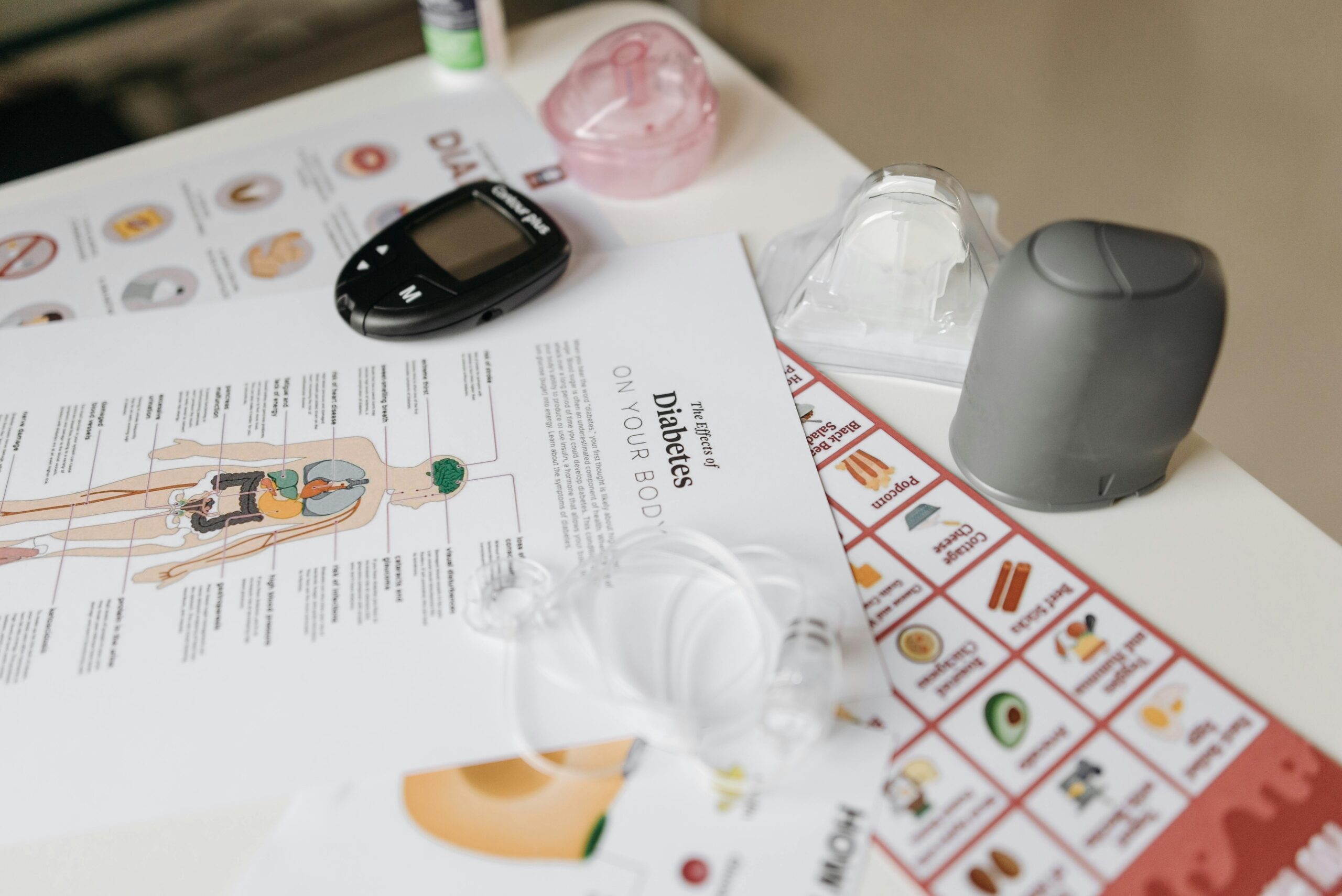
Medical Writing for Patient Education: Bridging the Knowledge Gap
Health information can be overwhelming. Sometimes, during times of extreme stress or uncertainty, patients are given documents that are filled with medical jargon, complicated statistics, and lengthy explanations. They are expected to make important decisions based on hard-to-understand information, such as treatment, clinical trial participation, or daily care. Even qualified medical professionals take a moment to go over some of this material again.
Everything from study enrollment and treatment adherence to patient satisfaction and outcomes can be impacted by this disconnect between what patients receive and what they actually understand. In order to bridge that gap, professional medical writers are essential. They enable patients to make educated decisions and take an active role in their care by producing clear, accurate, and easily accessible informed consent forms, patient pamphlets, brochures, and digital educational materials.
Why Patient Education Materials Matter
Healthcare has shifted toward shared decision-making. Patients expect—and deserve—materials that help them understand what’s happening in their bodies, the options available to them, and the potential risks and benefits of treatments or research participation.
When writing is unclear, the consequences are immediate:
- Lower comprehension of medical instructions or study procedures
- Decreased trust in healthcare providers or research teams
- Inadequate compliance with treatment or protocol guidelines
- Increased anxiety or confusion
- Higher rates of study dropouts or declined enrollment
By giving patients the clarity they need to participate with confidence, high-quality patient education materials lower these risks. When a patient truly understands, they feel more empowered, engaged, and capable of managing their health.
Informed Consent Forms: Making Research Transparent and Accessible
Informed consent forms (ICFs) are often the first major interaction a patient has with a clinical study. They must meet strict regulatory standards while being understandable to people with diverse educational, linguistic, and cultural backgrounds.
Professional medical writers enhance ICFs by:
- Translating complex procedures, study designs, and risks into plain, precise language
- Structuring content for easy scanning, using headings, lists, and short paragraphs
- Removing unnecessary scientific jargon that can obscure critical information
- Clearly explaining patient rights, expectations, and safety protections
- Ensuring compliance with IRB, FDA, and EMA readability requirements
A thoughtfully written consent form doesn’t just fulfill a regulatory requirement; it fosters trust. It signals that the research team values transparency, respects participants, and prioritizes their understanding. When patients comprehend what participation entails, they are more likely to stay enrolled, follow study instructions, and engage meaningfully in their care.
Patient Leaflets and Brochures: Turning Health Information Into Action
Patient leaflets and brochures serve a slightly different purpose than ICFs. They aim to educate, reassure, and empower, often at moments when patients feel vulnerable, anxious, or overwhelmed.
High-quality writing for these materials involves:
- Clear explanations of conditions, treatments, and expected outcomes
- Step-by-step instructions for medication use, follow-up care, or symptom tracking
- Visual aids, charts, and bullet lists that simplify learning
- Up-to-date content aligned with current clinical guidelines
- Language that is culturally sensitive and accessible to diverse audiences
Leaflets and brochures aren’t just documents—they’re tools that guide patients through their health journey with confidence. When patients understand what to do and why it matters, adherence improves, complications decrease, and outcomes improve.
Digital Patient Education: Meeting Patients Across Platforms
Patients today increasingly turn to online sources for health information. They read materials on websites, patient portals, and mobile apps or watch educational videos to understand their care. Professional medical writers ensure that content is accurate and optimized for digital environments.
Effective digital patient education includes:
- Concise, mobile-friendly text that is easy to navigate
- FAQs, symptom guides, and interactive content that answer common questions
- Scannable headings and short sections for online readability
- SEO practices that help patients find credible, reliable information
- Content that counters misinformation while maintaining clarity and accuracy
By delivering accessible, trustworthy digital content, medical writers help organizations maintain consistent messaging across platforms while building confidence in the care team.
How Patient-Friendly Writing Improves Engagement
Clear, patient-focused writing does more than educate—it changes behavior. When educational materials are thoughtfully crafted, patients:
- Feel more satisfied with their care
- Communicate more effectively with healthcare providers
- Follow treatment plans and study protocols more closely
- Ask questions, clarify doubts, and actively participate in decisions
- Make fewer mistakes or avoidable calls to the clinic
- Are more likely to enroll in and complete clinical trials
Investing in professional patient education materials is one of the most cost-effective ways to improve health outcomes. It builds trust, reduces errors, and creates a more positive experience for patients and healthcare teams.
The Role of Professional Medical Writers
Patient education requires more than simplifying language. It requires understanding how people process information when they’re anxious, fatigued, or newly diagnosed. Professional medical writers bring a unique skill set:
- Expertise in medical terminology and clinical workflows
- Training in plain-language principles and health literacy
- Experience collaborating with clinical and regulatory teams
- Ability to adapt complex material for diverse audiences
- Skill in crafting messaging that is accurate, empathetic, and actionable
At The Med Writers (TMW), we specialize in transforming dense scientific material into content that is clear, meaningful, and usable for patients, caregivers, and study participants. Our goal isn’t just readability—it’s comprehension, trust, and engagement.
We Bring Empathy, Compassion, and Accuracy
Patient education is a cornerstone of healthcare and clinical research. When writing is accurate and accessible, patients understand their diagnosis, treatment options, and participation choices. They feel respected, informed, and empowered to make decisions that affect their lives.
Professional medical writers close the gap between scientific complexity and human understanding. Every document—from a consent form to a brochure or website article—can impact outcomes, trust, and adherence. Thoughtful writing ensures that patients receive information they can truly use, not just decode.
