
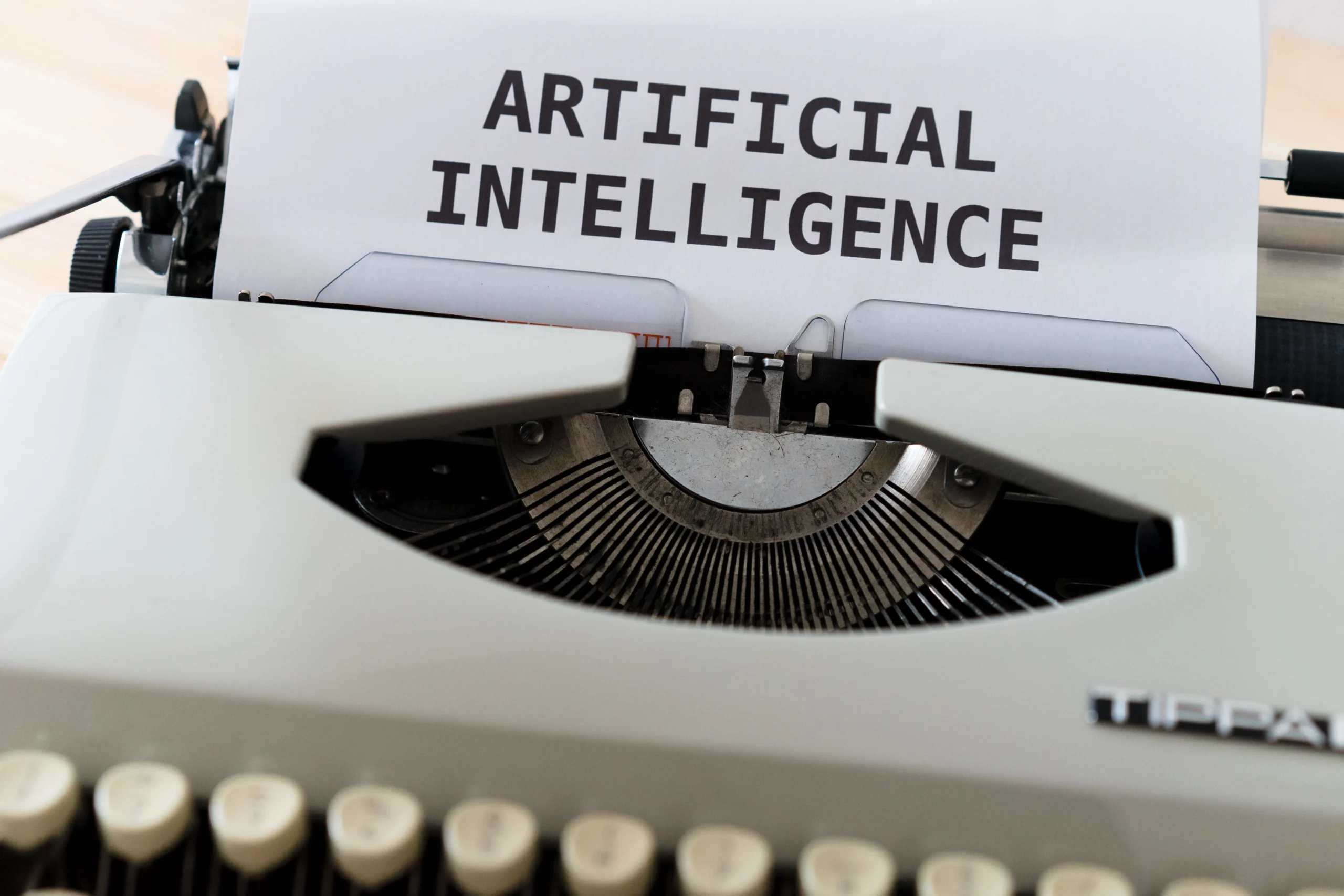
Artificial intelligence is becoming a presence in almost every corner of healthcare, including scientific communication. Many medical writing teams are experimenting with AI tools to speed up drafting, organize research, or support content creation. There’s no denying that AI has shifted the landscape. It can process large volumes of information in seconds, generate first drafts, and help teams stay organized.
But no matter how advanced these tools get, they cannot replace the core of medical writing, which centers around clinical judgment, scientific interpretation, and the careful communication of nuance.
For healthcare organizations it can be indispensable to understand where AI truly adds value and where human expertise reigns supreme.
Where AI Makes Medical Writing Easier
AI shines when used to support writers, not replace them. Some areas where it can make a real difference include:
Organizing and synthesizing information
AI can scan large amounts of text and identify key themes, which helps writers plan content efficiently, especially at the early stages of a project.
Creating structural drafts quickly
Need an outline, a summary, or a rough first draft? AI can generate it in moments, giving writers more time to focus on refining the substance.
Standardizing repetitive elements
Templates, formatting, and terminology checks can often be automated, reducing human error and freeing writers for higher-level work.
Supporting multilingual workflows
AI translation tools have improved, making them useful for early-stage drafts in other languages. However, they’re not yet reliable for final clinical content.
Where AI Falls Short
AI is fast, but it does not understand medicine. It recognizes patterns in language, not the reasoning behind clinical decisions. This distinction is crucial in healthcare.
AI cannot replace:
Interpretation of clinical evidence
Understanding a study’s significance, limitations, and relevance requires scientific training—not just pattern recognition.
Regulatory awareness
Compliance depends on nuance. AI cannot reliably determine what claims are safe versus risky.
Contextual judgment
Two studies may present similar data, but their implications may differ. AI cannot discern which information matters for a specific patient population, product, or clinical decision.
Ethical responsibility
Medical writing shapes decisions. AI has no sense of responsibility, patient safety, or real-world impact.
Human communication skills
Empathy, tone, clarity, and anticipating misunderstandings are tasks only humans can perform effectively.
In short: AI can produce text, but it cannot guarantee accuracy, clinical relevance, or safety. These responsibilities remain firmly in human hands.
The Risk of Relying too Heavily on AI
Teams that lean too much on AI-generated content face predictable risks:
- Claims that exceed regulatory boundaries
- Overconfident statements not supported by evidence
- Misinterpretations of mechanisms or outcomes
- Content that reads well but lacks depth
- Erosion of trust among clinicians and scientific audiences
Why Medical Writers Are More Important Than Ever
Rather than replacing writers, AI has increased the value of their expertise. Writers who can interpret research, communicate it clearly, and ensure compliance can leverage AI to work faster without compromising scientific or ethical standards.
At The Med Writers, we’ve seen that combining human expertise with selective AI support delivers faster content development with more consistent accuracy. By combining AI tools with the medical and scientific expertise of humans, we are able to provide stronger alignment with clinical evidence and better protection against compliance risks.
A Balanced Approach to AI in Medical Communication
AI is here to stay, and it has earned a place in medical writing workflows. But its role should always be supportive, not authoritative.
Content must be grounded in clinical judgment, reflect evidence accurately, adhere to regulations, and ultimately protect patients. AI cannot carry these responsibilities.
When organizations pair AI efficiency with skilled medical writers, they achieve the best of both worlds: speed without sacrificing accuracy, and innovation without increasing risk.
If your team is exploring AI integration or needs experienced writers to ensure content remains scientifically accurate and compliant, The Med Writers can help you strike the right balance.
